Single-Zone Mini Split Installation

We install a dedicated condenser and indoor unit for one room or open area, sizing the system from measured heat gain instead of a square-footage shortcut.
Request Estimate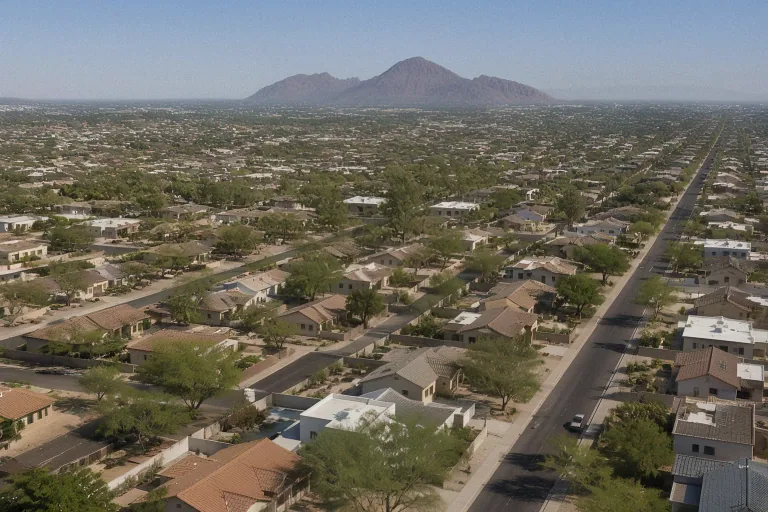
Mini Splits Phoenix installs single-zone mini splits, ductless AC, and ductless heat pumps for Phoenix homes and businesses. We also handle garage mini split installation, multi-zone and commercial installations, repair, replacement, maintenance, and deep cleaning across the metro. Our single-zone work pairs one outdoor condenser with one indoor unit to condition a room or open area without extending ductwork. We size the system around the space's actual heat gain, equipment capacity, and installation conditions.
Phoenix summer temperatures regularly climb past 110°F, putting additions, converted garages, casitas, and detached studios under an intense cooling load. Those conditions punish rule-of-thumb sizing and poor refrigerant work. Our EPA Section 608-certified crews use Manual J-based load calculations, correctly torqued flare connections, nitrogen pressure testing, and AHRI-matched equipment. We hold current Arizona Registrar of Contractors licensing and pull permits through the City of Phoenix Development Services Department when required.
We provide a written, no-obligation quote after an in-person or video walkthrough so line-set length, wall material, electrical capacity, equipment, labor, and permit needs are clear before work starts.
Mini Splits Phoenix provides mini split installation in Phoenix and the surrounding metro, including Scottsdale, Tempe, Mesa, Glendale, and Chandler.
A single-zone mini split pairs one outdoor condenser with one indoor unit, delivering targeted heating and cooling to a single room or open area without extending ductwork.
It fits converted garages, home-office additions, backyard casitas, sunrooms, detached studios, and bonus rooms that the central system was never sized to handle. That flexibility works for Phoenix properties ranging from historic Encanto-Palmcroft bungalows to newer construction in Laveen and Desert Ridge.
The equipment is only half the job. Correct capacity, refrigerant charge, line-set length, electrical sizing, west-facing glass, insulation grade, and room occupancy determine whether the installed system reaches its rated efficiency.
A dedicated ductless zone conditions the problem room directly, letting the main HVAC system serve the spaces it was designed for.
We match installation and ongoing support to the room, building, and equipment condition, from a first single-zone system to replacement, repair, annual maintenance, and deep cleaning.
We install a dedicated condenser and indoor unit for one room or open area, sizing the system from measured heat gain instead of a square-footage shortcut.
Request Estimate
Ductless AC sends refrigerant through an insulated line set directly to the indoor unit, giving additions and rooms beyond the duct system targeted cooling without a new duct extension.
Request Estimate
A ductless heat pump reverses the refrigerant cycle to provide cooling and heating from the same system, a practical match for Phoenix's hot summers and cooler winter nights.
Request Estimate
Garage installations account for limited insulation, radiant heat, workbench or storage layouts, wall availability, and the higher load created by a closed Phoenix garage.
Request Estimate
For offices, retail buildouts, and mixed-use spaces, we plan around occupancy density, equipment heat, different room loads, independent temperature control, and commercial mechanical-permit requirements.
Request Estimate
We diagnose capacitors, fan motors, flare-fitting leaks, dirty coils, and restricted blower wheels, then compare repair and replacement needs and provide deep cleaning for dust-loaded systems.
Request EstimateIndoor-unit style and system layout should follow the room's heat load, usable surfaces, ceiling conditions, occupancy, and desired control-not a one-size-fits-all package.

A high wall-mounted indoor unit is the most common single-zone layout because it can distribute air evenly while keeping the floor clear.

A floor-mounted indoor unit can work better where limited wall clearance or a vaulted ceiling makes a high wall mount likely to short-cycle.

A ceiling cassette can suit a garage workshop when shelving, tool storage, or a workbench occupies the available walls.

A multi-zone layout connects several indoor units to one outdoor condenser so rooms with different loads can be controlled independently.

In Phoenix, hyper heat equipment is mainly useful for efficient low-load heating during mild winter mornings rather than extreme-cold operation.
The right approach starts with the space rather than a catalog rating. We compare heat gain, indoor-unit location, line-set distance, wall material, panel capacity, shade and condenser clearance, equipment pairing, and budget before recommending a configuration.
We measure square footage, ceiling height, insulation, window orientation, and occupancy load, then account for Phoenix's dry heat and west-facing glass instead of relying on a rule-of-thumb sizing guess.
Correctly torqued flare connections, dry-nitrogen pressure testing, evacuation, and refrigerant charge by weight protect capacity and efficiency better than a quick pressure-only gauge check.
Our crews hold EPA Section 608 certification for refrigerant handling, and the company operates under current Arizona Registrar of Contractors licensing. Required permits are handled through the City of Phoenix Development Services Department.
We pair AHRI-matched equipment, verify the refrigerant circuit and electrical requirements, and explain the line items before work begins. Your written quote separates equipment, labor, permit fees, and electrical work so the scope is easy to compare.
Request Written QuoteA closed Phoenix garage can reach 130°F or higher, while sunrooms, converted patios, and rooms over a garage may run 10 to 15 degrees hotter than the rest of the house. A dedicated zone addresses the problem room without forcing the central system to overcompensate.
Central ducts can lose 20 to 30 percent of their capacity through leaks and thermal gain when Phoenix attic temperatures exceed 140°F. A ductless line set bypasses that hot-air distribution path.
A unit selected from square footage alone can miss the effects of ceiling height, insulation, occupancy, and west-facing glass. Improper capacity can leave the room uncomfortable or cause short-cycling.
Skipping a nitrogen test or vacuum pull can leave air or trace moisture in the circuit. Incorrect charge and poorly made flare connections can then reduce capacity, create leaks, and contribute to early compressor failure.
The dedicated circuit must match the unit's nameplate draw and applicable National Electrical Code and local permitting requirements. An undersized circuit is a performance and reliability problem, not a detail to address after startup.
Phoenix dust and monsoon-season debris can load indoor coils and blower wheels until airflow and efficiency decline. A filter rinse alone does not replace a full coil flush and blower-wheel cleaning when buildup is deeper in the unit.
Each installation moves from measured load and placement planning to mechanical, electrical, refrigerant, and control verification. The goal is a system that matches the room and performs as the selected equipment was designed to perform.
We walk the space and measure square footage, ceiling height, insulation, window orientation, occupancy, and other heat-gain factors for a Manual J-based capacity calculation.
We choose a wall mount, floor mount, or ceiling cassette position based on clearance, airflow, ceiling conditions, furnishings, shelving, and how the room is used.
The condenser is placed on a level composite pad or wall bracket with required airflow clearance and shade where possible, away from avoidable reflected heat.
We route insulated copper through a sealed wall penetration, protect against dust and monsoon moisture, and install a dedicated circuit sized to the equipment nameplate.
We pressure test the circuit with dry nitrogen, confirm the flare connections, and pull a vacuum below 500 microns before charging the system.
We weigh in refrigerant to manufacturer specifications and verify airflow, temperature split, equipment operation, and remote or Wi-Fi control function before completion.
Request a walkthrough to review the room, electrical panel, line-set route, equipment options, and installation scope. We will provide a written, no-obligation quote based on the actual conditions.
These answers cover Phoenix installation cost, sizing, equipment layouts, testing, maintenance, repair decisions, and service coverage.
Call About InstallationMost single-zone installations run $2,500 to $5,500, with a broader market range of $2,100 to $5,800 depending on brand, BTU capacity, line-set length, and electrical work. Smaller straightforward systems with short line runs can start around $1,200 to $1,450, while reinstalling an existing system typically runs $850 to $950. We provide a written, itemized quote after reviewing the actual space.
A mini split makes sense when a garage conversion, addition, casita, sunroom, or room over a garage sits beyond the central system's original design. It provides a dedicated zone without opening drywall, attic insulation, or rooflines to extend ducts.
A straightforward wall-mount installation with a short line set and existing electrical capacity usually takes one day. Same-day completion is realistic for a simple job that does not require an electrical panel upgrade.
Repair is generally considered when a unit is under 10 years old and the problem is isolated to a capacitor, fan motor, or minor refrigerant leak. Replacement often makes more financial sense after 12 to 15 years, with a failing compressor, or when repair would cost more than 40 to 50 percent of a new installation. We compare the actual repair cost with a replacement quote before recommending a path.
Many single-zone rooms in Phoenix homes fall between 9,000 and 18,000 BTU, but a west-facing garage or sunroom can need more. Capacity should follow a Manual J-based load calculation that considers ceiling height, insulation, glass orientation, occupancy, and the local dry-heat profile.
We pull permits through the City of Phoenix Development Services Department when required and size the electrical circuit to the equipment nameplate under applicable code requirements. Refrigerant work is completed by EPA Section 608-certified crews, and the company holds current Arizona Registrar of Contractors licensing.
A wall mount is the most common choice for even air distribution, while a floor mount can fit limited upper-wall clearance or vaulted ceilings. A ceiling cassette may suit a workshop where shelving, tools, or a workbench occupy the walls. The final choice depends on clearances, airflow, room use, and installation routing.
We pressure test with dry nitrogen, evacuate the refrigerant circuit, weigh in the manufacturer-specified charge, and verify airflow and temperature split. We also confirm equipment startup and remote or Wi-Fi control function.
Yes. A ductless heat pump reverses the refrigerant cycle to provide room-specific cooling in summer and heating during cooler Valley mornings, without a separate duct extension.
Because Phoenix dust and monsoon debris can clog coils and blower wheels, industry guidance recommends a deep cleaning at least once a year rather than only rinsing the filter. With proper annual maintenance, many single-zone systems reach 15 to 20 years of service life, and some run longer.
Garages often have less insulation and radiant protection than the main house, so their heat load can be much higher. Door exposure, wall space, storage, workshop equipment, window orientation, and electrical capacity all affect equipment sizing and placement.
Published information lists service throughout Phoenix, Scottsdale, Tempe, Mesa, Glendale, and Chandler. Installations include homes, additions, garages, casitas, detached studios, offices, retail buildouts, and other supported spaces across that metro coverage.
A single-zone system pairs one outdoor condenser with one indoor unit for one room or open area. A multi-zone system can serve two to eight indoor units from one condenser, with independent temperature control for spaces that carry different loads.